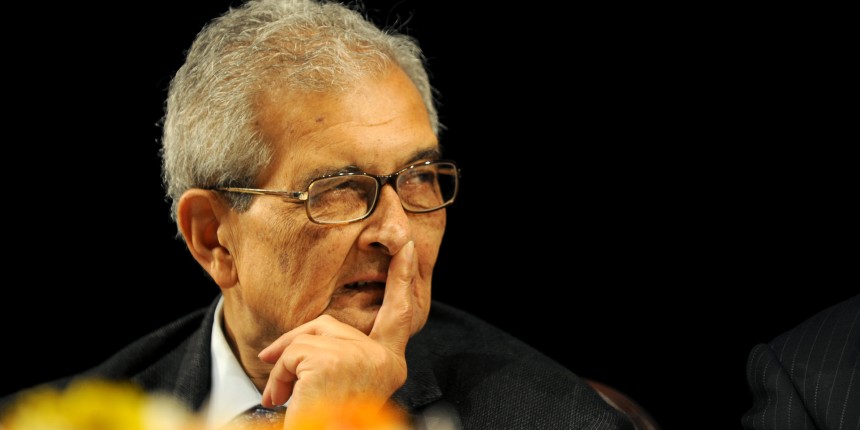

The recent developments in Indian politics have sparked a debate on the state of democracy in the country. One of the most prominent voices to express his dismay over the situation is Amartya Sen, the Nobel laureate in economics. Sen has written a letter to his former colleague Sudipta Bhattacharjee, in which he has expressed his ‘deep concerns’ about the disqualification of Rahul Gandhi as a Member of Parliament.
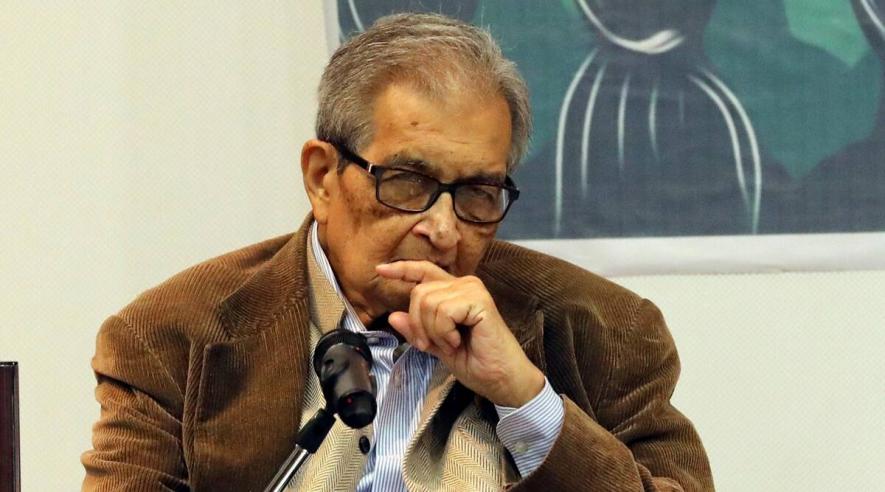
Rahul Gandhi, the leader of the main opposition party Congress, was disqualified from the Lok Sabha after a court in Surat convicted him of defamation for making a remark against Prime Minister Narendra Modi in 2019. He was also asked to vacate his official residence by the Parliament Secretariat. Sen has questioned the validity of this verdict and its implications for democracy. He has asked if an opposition leader has any right to oppose or criticize the government in India. He has also wondered how a minor judicial officer can nullify the role of the highest opposition leader.
Sen’s letter comes at a time when Rahul Gandhi has been vocal about the alleged irregularities and frauds committed by the Adani Group, a business conglomerate close to Modi. Gandhi has accused Modi of being silent on the issue and compromising the national interest. He has also claimed that Indian democracy is under attack and the institutions of democracy are compromised. His statements have invited sharp reactions from the ruling party and its supporters, who have accused him of spreading lies and misinformation.
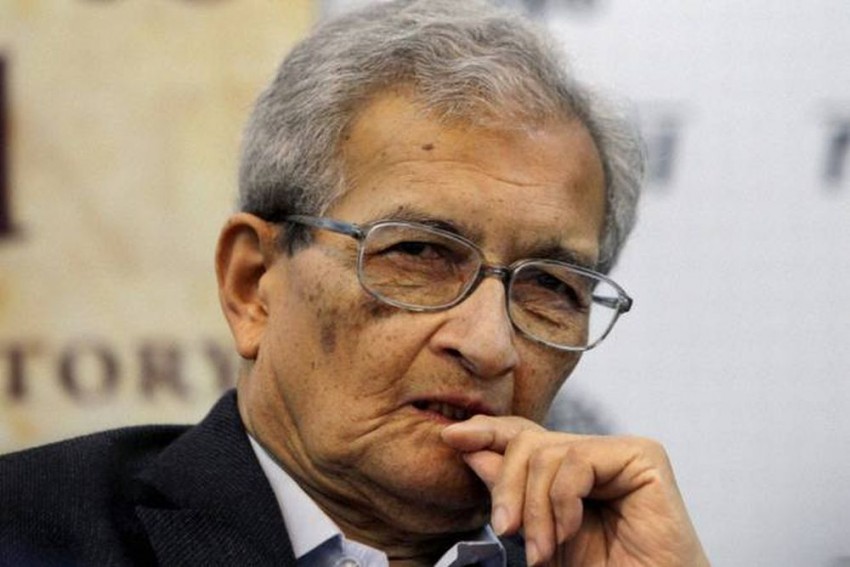 Sen’s letter has added fuel to the fire and has triggered a heated debate on social media and in the media. While some have hailed Sen for his courage and wisdom, others have criticized him for being biased and ignorant. Some have also questioned his credentials and motives for writing such a letter. The letter has also drawn attention to the challenges and threats faced by Indian democracy in the current scenario.