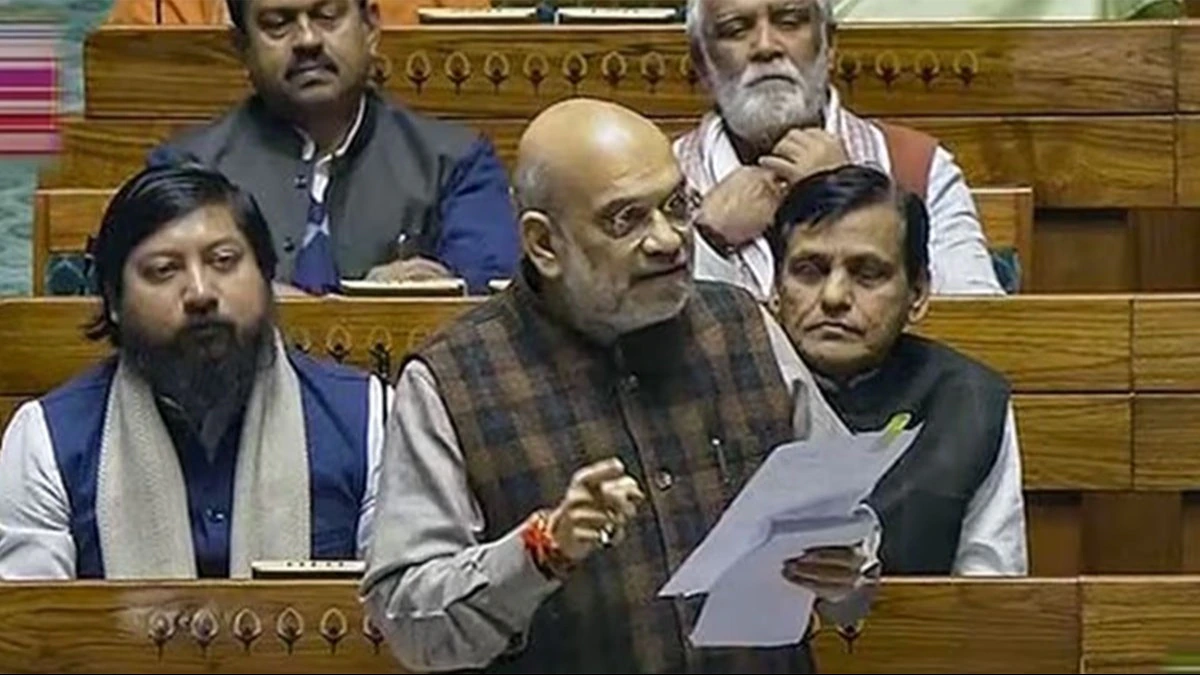

The winter session of the Parliament has seen the adoption and subsequent presidential approval of three laws: the Indian Justice (Second) Code-2023, the Indian Civil Protection (Second) Code-2023, and the Indian Evidence (Second) Code-2023, which will come into effect from July 1, 2024. With the implementation of these laws, the existing Indian Penal Code (IPC) will become obsolete. On Friday, February 23, the Ministry of Home Affairs issued three notifications regarding this matter.

It is noteworthy that the BJP government, which is in power at the center, has introduced three new laws in place of the existing three criminal laws in India. With the implementation of these three new laws, the Indian Penal Code, the Code of Criminal Procedure, and the Indian Evidence Act will become obsolete in India.
According to the new criminal law, from now on, perpetrators of minor rape and those who commit group assaults resulting in death will face the death penalty as punishment. Lower courts must complete the trial of any case within three years and deliver the final verdict within 40 days.
According to the new law, if an accused is not presented in court within 90 days, the trial will commence in their absence. Those found guilty will have the opportunity to file an appeal for their innocence within 7 days of the verdict announcement. Under this new legislation, women will have the capability to file cases from their homes. However, the police must arrive at the scene of the incident within 24 hours. Complaints must be formally registered within 3 days of filing.
A driver who hits with a vehicle and flees may face a 10-year sentence, which can be halved if the driver instead takes the injured person to the hospital. Similarly, if a perpetrator admits guilt within 30 days, their punishment can also be reduced by half. Assaulting someone on the head may result in a 10-year penalty as well. This new criminal law also addresses the penalties for terrorism and defines what constitutes terrorism. According to this definition, any act that endangers the unity, integrity, and security of the country will be considered terrorism.
Kapil Sibal and Adhir Ranjan Chowdhury pointed out some aspects of the three bills for discussion, but no discussions were held on those matters. However, Home Minister Amit Shah had compared the Indian Justice (Second) Code Bill 2023, the Indian Civil Protection (Second) Code Bill 2023, and the Indian Evidence (Second) Bill 2023 to the soul of the Constitution. These three laws will come into effect across the entire country from July 1, 2024.