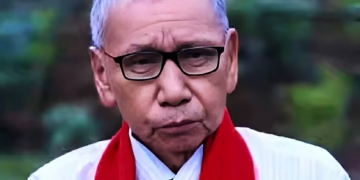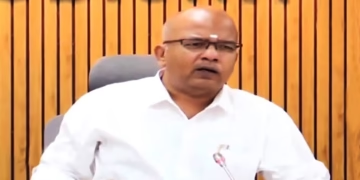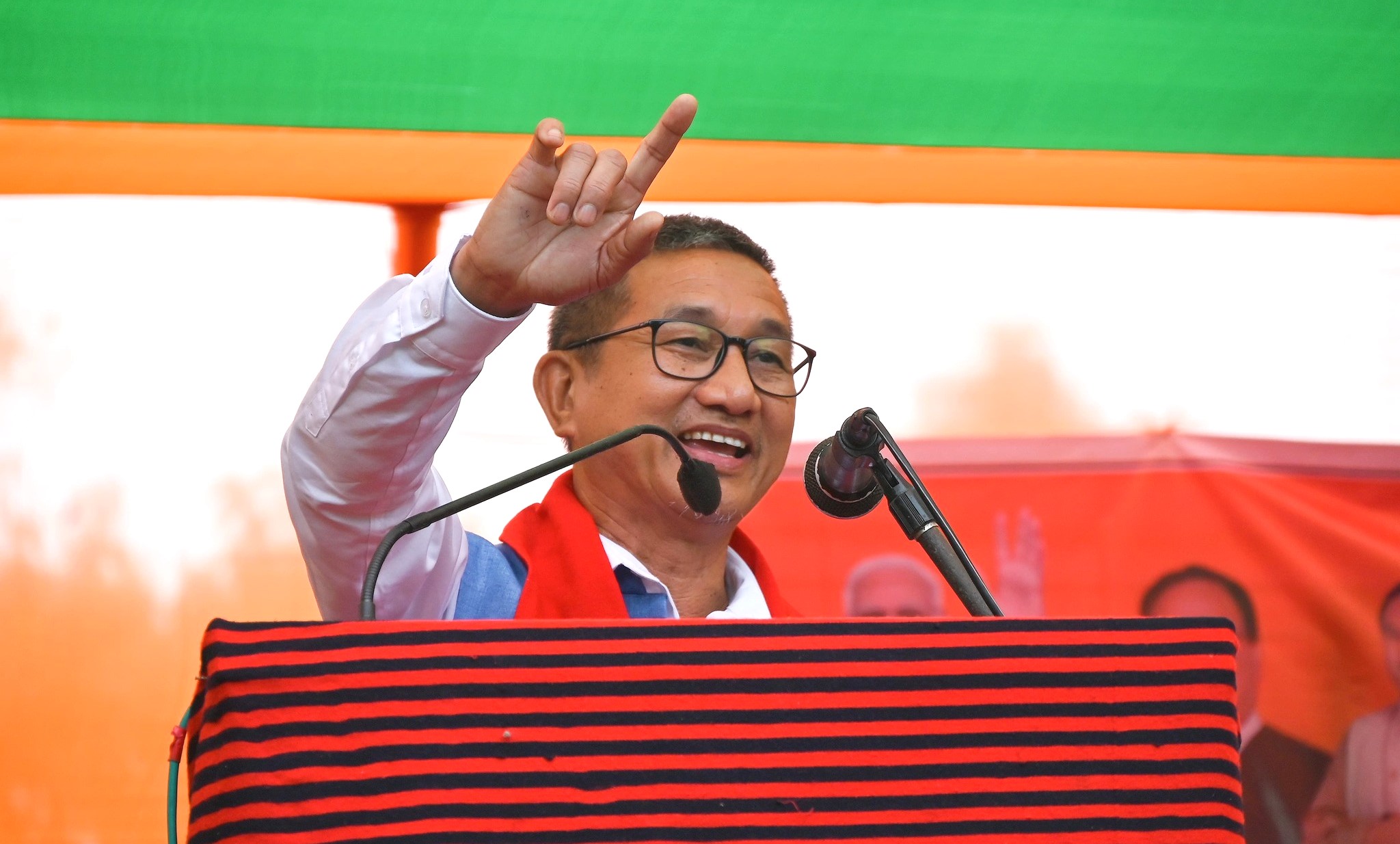

In a significant push for the rights and development of tribal communities in Assam, Member of Parliament Amarsing Tisso has articulated a series of crucial demands aimed at fortifying the autonomy and progress of these communities. Central to his advocacy is the call for special provisions within the 125th Constitutional Amendment Bill, which seeks to empower the autonomous councils in accordance with the Sixth Schedule of the Indian Constitution.
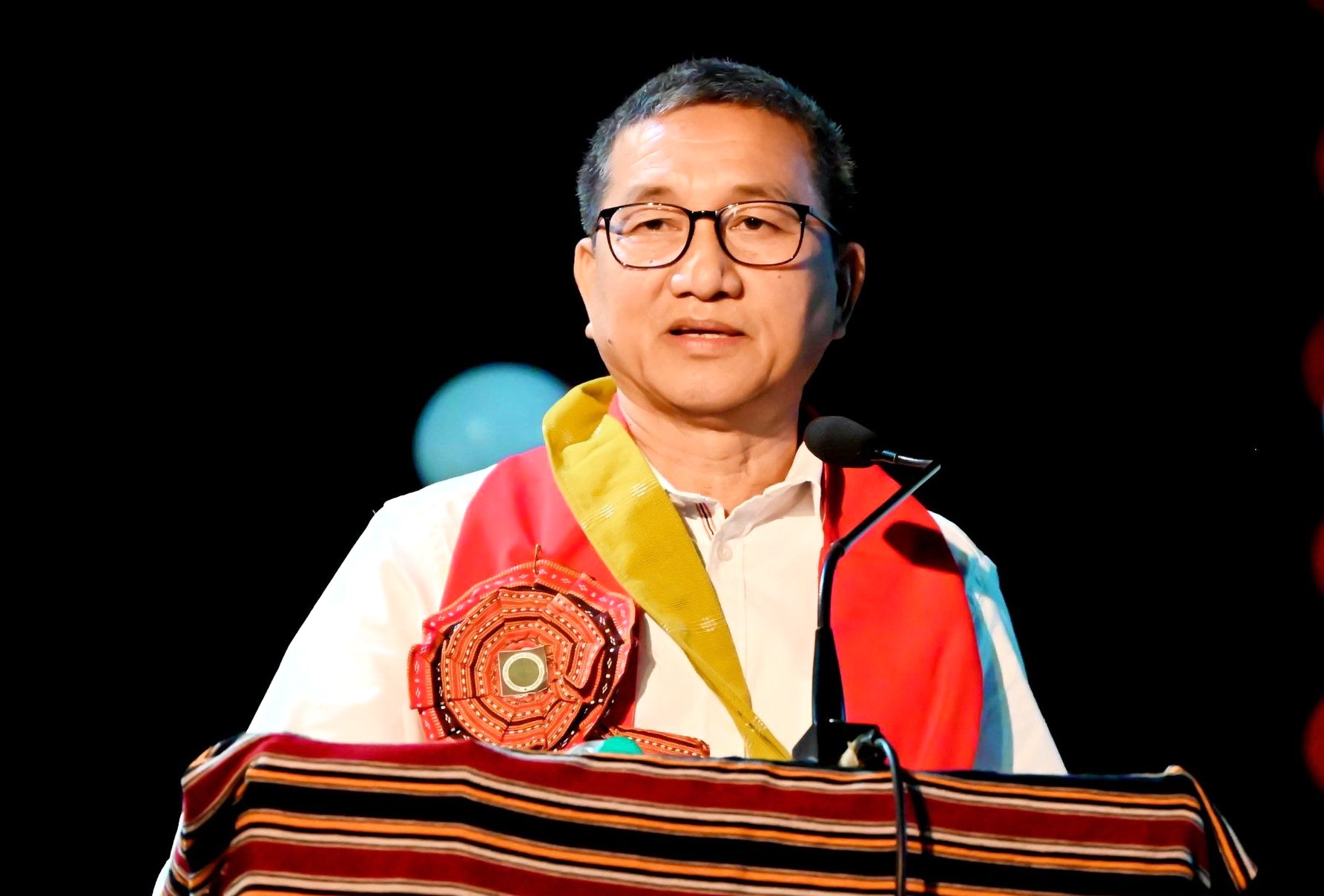
The 125th Constitutional Amendment Bill, introduced in 2019, is a landmark piece of legislation designed to enhance the financial and executive powers of the 10 Autonomous Councils in the northeastern region. Among its many provisions, the bill proposes the establishment of Village and Municipal Councils, the devolution of powers to these entities, and the creation of a Finance Commission tasked with reviewing their financial health. Tisso’s demand for the inclusion of specific provisions to ensure that the Governor is exclusively advised by these councils on matters within their jurisdiction underscores the necessity for local governance and representation.
Beyond constitutional reforms, Tisso has also voiced a pressing need for the elevation of Assam University’s Diphu Campus into a full-fledged university. This initiative is expected to significantly enhance higher education opportunities for students in the region, fostering academic excellence and providing a vital platform for the intellectual growth of tribal youth. By advocating for this upgrade, Tisso aims to address the educational disparities faced by tribal students, who often encounter systemic barriers in accessing quality education.
In a further effort to level the playing field, Tisso has called for an exemption for tribal students from the Modern Indian Language (MIL) paper in the UPSC examination. Recognizing the challenges that these students face in navigating educational resources, this exemption would serve as a crucial step toward ensuring equal opportunities in competitive examinations. Tisso’s proposal highlights a broader commitment to educational equity and support for marginalized communities, reflecting a deep understanding of the socio-economic hurdles faced by tribal populations.